
When to Schedule a Skin Check
- posted: Mar. 30, 2026
Changes in the skin can happen gradually, which makes regular monitoring an important part of maintaining skin health. At Idaho Skin Surgery Center, with a main office in Boise, ID, serving Fruitland and the surrounding Boise community, patients receive professional evaluations to help identify concerns early. Knowing when to schedule a skin check can support early detection and provide peace of mind.
Routine Skin Checks and Preventive Care
Even when the skin appears healthy, routine skin checks play a key role in prevention. Many patients benefit from scheduling a skin check once a year, especially if they have a history of sun exposure or fair skin. Regular visits allow providers to track changes over time and identify subtle differences that may not be noticeable at home.
Preventive care also helps establish a baseline for what is normal for your skin. This makes it easier to detect new or evolving spots during future evaluations.
Signs That Indicate It Is Time for a Skin Check
Certain changes in the skin should prompt a professional evaluation. A mole or spot that changes in size, shape, or color should be assessed. Irregular borders, multiple colors, or a lesion that looks different from others may indicate the need for further review.
Other signs include itching, bleeding, or a sore that does not heal. New growths or patches that appear suddenly should also be evaluated to rule out potential concerns.
Increased Risk Factors to Consider
Some individuals may need more frequent skin checks based on personal risk factors. A family history of skin cancer, a large number of moles, or a history of sunburns can increase risk. Patients who spend significant time outdoors or use tanning devices may also benefit from more regular monitoring.
A consultation helps determine the appropriate schedule based on individual risk and skin type.
What to Expect During a Skin Check
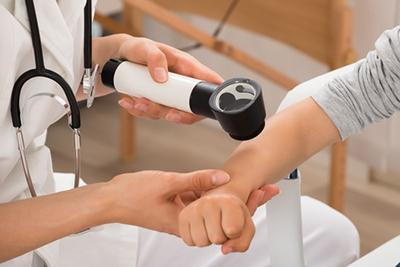
A skin check is a thorough examination of the skin from head to toe. The provider evaluates moles, lesions, and other areas of concern, often using specialized tools to examine the skin more closely.
If a suspicious area is identified, further evaluation or monitoring may be recommended. Patients may also receive guidance on sun protection and how to perform self-checks at home.
Schedule a Skin Check
Scheduling a skin check is a simple step that can make a meaningful difference in long-term skin health. At Idaho Skin Surgery Center, patients receive personalized evaluations and guidance tailored to their needs.
To schedule a skin check or learn more about preventive dermatology care, call the Boise office at (208) 433-1114 or the Fruitland office at (208) 452-7450.
- posted: Mar. 30, 2026
Changes in the skin can happen gradually, which makes regular monitoring an important part of maintaining skin health. At Idaho Skin Surgery Center, with a main office in Boise, ID, serving Fruitland and the surrounding Boise community, patients receive professional evaluations to help identify concerns early. Knowing when to schedule a skin check can support early detection and provide peace of mind.
Routine Skin Checks and Preventive Care
Even when the skin appears healthy, routine skin checks play a key role in prevention. Many patients benefit from scheduling a skin check once a year, especially if they have a history of sun exposure or fair skin. Regular visits allow providers to track changes over time and identify subtle differences that may not be noticeable at home.
Preventive care also helps establish a baseline for what is normal for your skin. This makes it easier to detect new or evolving spots during future evaluations.
Signs That Indicate It Is Time for a Skin Check
Certain changes in the skin should prompt a professional evaluation. A mole or spot that changes in size, shape, or color should be assessed. Irregular borders, multiple colors, or a lesion that looks different from others may indicate the need for further review.
Other signs include itching, bleeding, or a sore that does not heal. New growths or patches that appear suddenly should also be evaluated to rule out potential concerns.
Increased Risk Factors to Consider
Some individuals may need more frequent skin checks based on personal risk factors. A family history of skin cancer, a large number of moles, or a history of sunburns can increase risk. Patients who spend significant time outdoors or use tanning devices may also benefit from more regular monitoring.
A consultation helps determine the appropriate schedule based on individual risk and skin type.
What to Expect During a Skin Check
A skin check is a thorough examination of the skin from head to toe. The provider evaluates moles, lesions, and other areas of concern, often using specialized tools to examine the skin more closely.
If a suspicious area is identified, further evaluation or monitoring may be recommended. Patients may also receive guidance on sun protection and how to perform self-checks at home.
Schedule a Skin Check
Scheduling a skin check is a simple step that can make a meaningful difference in long-term skin health. At Idaho Skin Surgery Center, patients receive personalized evaluations and guidance tailored to their needs.
To schedule a skin check or learn more about preventive dermatology care, call the Boise office at (208) 433-1114 or the Fruitland office at (208) 452-7450.
Main Location
301 North Main Street, Suite 3,
New City, NY 10956
Office Hours
Monday
8:00 am - 6:00 pm
Tuesday
8:00 am - 6:00 pm
Wednesday
8:00 am - 6:00 pm
Thursday
8:00 am - 6:00 pm
Friday
8:00 am - 3:30 pm
Saturday
9:00 am - 12:30 pm
Sunday
Closed