
Tackling Hyperpigmentation: Dermatologist-Backed Strategies
- posted: Jan. 31, 2026
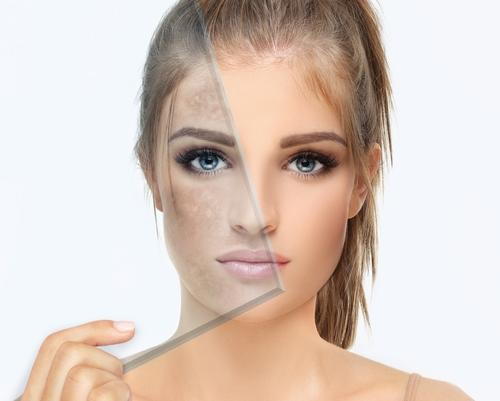
Hyperpigmentation is a common skin concern that causes darkened patches or spots on the skin, often resulting from sun exposure, hormonal changes, acne scarring, or inflammation. While it is usually harmless, hyperpigmentation can affect self-confidence and overall skin appearance. At Scott Sanders Dermatology in New City, NY, patients have access to dermatologist-approved strategies designed to reduce pigmentation, even skin tone, and support long-term skin health.
Understanding Hyperpigmentation
Hyperpigmentation occurs when the skin produces excess melanin, the pigment responsible for color. Sun exposure is one of the most common triggers, leading to sunspots or age spots on the face, hands, and other sun-exposed areas. Post-inflammatory hyperpigmentation can result from acne, eczema, or minor injuries that leave the skin darker after healing. Hormonal changes, such as those experienced during pregnancy or from certain medications, can also contribute to melasma, a type of hyperpigmentation that typically appears on the face. Understanding the underlying cause is key to selecting the most effective treatment.
Dermatologist-Recommended Treatments
Treating hyperpigmentation often requires a multi-faceted approach. Topical treatments, including prescription-strength creams and serums containing ingredients like hydroquinone, retinoids, or vitamin C, can gradually lighten darkened areas and promote even skin tone. Professional procedures such as chemical peels, microdermabrasion, and laser therapy may be recommended for more stubborn pigmentation, helping to break up excess melanin and stimulate skin renewal. Dermatologists at Scott Sanders Dermatology tailor treatment plans to each patient’s skin type, pigmentation severity, and lifestyle, ensuring the safest and most effective results.
Prevention and Skincare Practices
Preventing further hyperpigmentation is as important as treatment. Daily use of broad-spectrum sunscreen protects the skin from UV damage that triggers melanin production. Gentle skincare routines that avoid harsh scrubs or irritating products can minimize inflammation that may worsen pigmentation. Additionally, patients are guided on maintaining healthy habits, such as proper hydration and avoiding picking at acne or skin lesions, which can reduce the risk of post-inflammatory dark spots.
When to Consult a Dermatologist
Persistent or worsening hyperpigmentation should be evaluated by a dermatologist. Early intervention can prevent spots from darkening or spreading and provides access to safe, effective treatments. Scott Sanders Dermatology offers comprehensive care for hyperpigmentation, combining personalized treatment strategies, professional procedures, and ongoing guidance to improve skin tone and confidence.
For residents in New City, NY, dermatologist-backed strategies provide the most effective approach to managing hyperpigmentation. To schedule an appointment and explore treatment options tailored to your skin, contact Scott Sanders Dermatology in New City, NY, at (845) 499-2017.
- posted: Jan. 31, 2026
Hyperpigmentation is a common skin concern that causes darkened patches or spots on the skin, often resulting from sun exposure, hormonal changes, acne scarring, or inflammation. While it is usually harmless, hyperpigmentation can affect self-confidence and overall skin appearance. At Scott Sanders Dermatology in New City, NY, patients have access to dermatologist-approved strategies designed to reduce pigmentation, even skin tone, and support long-term skin health.
Understanding Hyperpigmentation
Hyperpigmentation occurs when the skin produces excess melanin, the pigment responsible for color. Sun exposure is one of the most common triggers, leading to sunspots or age spots on the face, hands, and other sun-exposed areas. Post-inflammatory hyperpigmentation can result from acne, eczema, or minor injuries that leave the skin darker after healing. Hormonal changes, such as those experienced during pregnancy or from certain medications, can also contribute to melasma, a type of hyperpigmentation that typically appears on the face. Understanding the underlying cause is key to selecting the most effective treatment.
Dermatologist-Recommended Treatments
Treating hyperpigmentation often requires a multi-faceted approach. Topical treatments, including prescription-strength creams and serums containing ingredients like hydroquinone, retinoids, or vitamin C, can gradually lighten darkened areas and promote even skin tone. Professional procedures such as chemical peels, microdermabrasion, and laser therapy may be recommended for more stubborn pigmentation, helping to break up excess melanin and stimulate skin renewal. Dermatologists at Scott Sanders Dermatology tailor treatment plans to each patient’s skin type, pigmentation severity, and lifestyle, ensuring the safest and most effective results.
Prevention and Skincare Practices
Preventing further hyperpigmentation is as important as treatment. Daily use of broad-spectrum sunscreen protects the skin from UV damage that triggers melanin production. Gentle skincare routines that avoid harsh scrubs or irritating products can minimize inflammation that may worsen pigmentation. Additionally, patients are guided on maintaining healthy habits, such as proper hydration and avoiding picking at acne or skin lesions, which can reduce the risk of post-inflammatory dark spots.
When to Consult a Dermatologist
Persistent or worsening hyperpigmentation should be evaluated by a dermatologist. Early intervention can prevent spots from darkening or spreading and provides access to safe, effective treatments. Scott Sanders Dermatology offers comprehensive care for hyperpigmentation, combining personalized treatment strategies, professional procedures, and ongoing guidance to improve skin tone and confidence.
For residents in New City, NY, dermatologist-backed strategies provide the most effective approach to managing hyperpigmentation. To schedule an appointment and explore treatment options tailored to your skin, contact Scott Sanders Dermatology in New City, NY, at (845) 499-2017.
Main Location
301 North Main Street, Suite 3,
New City, NY 10956
Office Hours
Monday
8:00 am - 6:00 pm
Tuesday
8:00 am - 6:00 pm
Wednesday
8:00 am - 6:00 pm
Thursday
8:00 am - 6:00 pm
Friday
8:00 am - 3:30 pm
Saturday
9:00 am - 12:30 pm
Sunday
Closed