
Psoriasis Treatment Options: Finding Relief for Your Skin
- posted: Mar. 11, 2025
At Scott Sanders Dermatology in New City, NY, Dr. Scott Sanders and Dr. Shilesh Iyer specialize in providing personalized care for patients with psoriasis. From topical treatments to advanced therapies, our team is dedicated to helping you find the relief you deserve. If you’re seeking expert care for psoriasis, we’re here to help.
Understanding Psoriasis
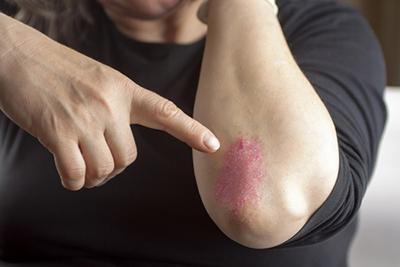
Psoriasis is an autoimmune condition that affects the skin, and it can appear in various forms. The most common type is plaque psoriasis, which causes raised, red patches covered with silvery scales. Other types include guttate psoriasis, which often appears as small, drop-shaped lesions, and pustular psoriasis, which involves white pustules surrounded by inflamed skin. Psoriasis can range from mild to severe and may flare up due to triggers such as stress, infections, cold weather, or certain medications. While the condition is chronic, meaning it lasts a lifetime, the right treatment plan can help control symptoms and reduce flare-ups.
Psoriasis Treatment Options
The treatment for psoriasis depends on the severity of the condition, the type of psoriasis, and how it affects your daily life. At Scott Sanders Dermatology, we work closely with each patient to develop a personalized treatment plan that addresses their unique needs and goals. Here are some of the most common treatment options:
Topical Treatments
For mild to moderate psoriasis, topical treatments are often the first line of defense. These include corticosteroids, which reduce inflammation and itching, and vitamin D analogs, which slow down the growth of skin cells. Other options include salicylic acid to remove scales and coal tar to reduce scaling and itching.
Phototherapy
Phototherapy, or light therapy, involves exposing the skin to controlled amounts of natural or artificial ultraviolet (UV) light. This treatment can slow the growth of skin cells and reduce inflammation. Phototherapy is often recommended for moderate to severe psoriasis or for patients who don’t respond to topical treatments.
Systemic Medications
For more severe cases of psoriasis, systemic medications may be necessary. These include oral or injectable drugs that work throughout the body to suppress the immune system and reduce inflammation. Common options include methotrexate, cyclosporine, and newer biologic therapies, which target specific parts of the immune system.
Lifestyle Modifications
In addition to medical treatments, certain lifestyle changes can help manage psoriasis symptoms. Keeping your skin moisturized, avoiding known triggers, and managing stress can all play a role in reducing flare-ups.
Schedule an Appointment Today
If you’re living with psoriasis, you don’t have to face it alone. With the right treatment plan, it’s possible to manage symptoms and improve your quality of life. Call Scott Sanders Dermatology at (845) 499-2017 to schedule an appointment, or visit us online at scottsandersdermatology.com to learn more about our services.
- posted: Mar. 11, 2025
At Scott Sanders Dermatology in New City, NY, Dr. Scott Sanders and Dr. Shilesh Iyer specialize in providing personalized care for patients with psoriasis. From topical treatments to advanced therapies, our team is dedicated to helping you find the relief you deserve. If you’re seeking expert care for psoriasis, we’re here to help.
Understanding Psoriasis
Psoriasis is an autoimmune condition that affects the skin, and it can appear in various forms. The most common type is plaque psoriasis, which causes raised, red patches covered with silvery scales. Other types include guttate psoriasis, which often appears as small, drop-shaped lesions, and pustular psoriasis, which involves white pustules surrounded by inflamed skin. Psoriasis can range from mild to severe and may flare up due to triggers such as stress, infections, cold weather, or certain medications. While the condition is chronic, meaning it lasts a lifetime, the right treatment plan can help control symptoms and reduce flare-ups.
Psoriasis Treatment Options
The treatment for psoriasis depends on the severity of the condition, the type of psoriasis, and how it affects your daily life. At Scott Sanders Dermatology, we work closely with each patient to develop a personalized treatment plan that addresses their unique needs and goals. Here are some of the most common treatment options:
Topical Treatments
For mild to moderate psoriasis, topical treatments are often the first line of defense. These include corticosteroids, which reduce inflammation and itching, and vitamin D analogs, which slow down the growth of skin cells. Other options include salicylic acid to remove scales and coal tar to reduce scaling and itching.
Phototherapy
Phototherapy, or light therapy, involves exposing the skin to controlled amounts of natural or artificial ultraviolet (UV) light. This treatment can slow the growth of skin cells and reduce inflammation. Phototherapy is often recommended for moderate to severe psoriasis or for patients who don’t respond to topical treatments.
Systemic Medications
For more severe cases of psoriasis, systemic medications may be necessary. These include oral or injectable drugs that work throughout the body to suppress the immune system and reduce inflammation. Common options include methotrexate, cyclosporine, and newer biologic therapies, which target specific parts of the immune system.
Lifestyle Modifications
In addition to medical treatments, certain lifestyle changes can help manage psoriasis symptoms. Keeping your skin moisturized, avoiding known triggers, and managing stress can all play a role in reducing flare-ups.
Schedule an Appointment Today
If you’re living with psoriasis, you don’t have to face it alone. With the right treatment plan, it’s possible to manage symptoms and improve your quality of life. Call Scott Sanders Dermatology at (845) 499-2017 to schedule an appointment, or visit us online at scottsandersdermatology.com to learn more about our services.
Main Location
301 North Main Street, Suite 3,
New City, NY 10956
Office Hours
Monday
8:00 am - 6:00 pm
Tuesday
8:00 am - 6:00 pm
Wednesday
8:00 am - 6:00 pm
Thursday
8:00 am - 6:00 pm
Friday
8:00 am - 3:30 pm
Saturday
9:00 am - 12:30 pm
Sunday
Closed