
Acne Scars in New City, NY
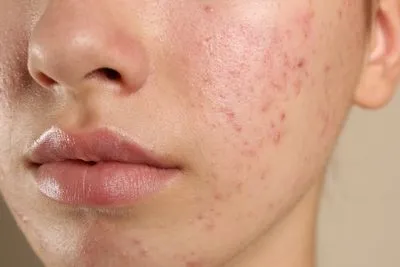
Acne scars often linger long after breakouts have cleared. They can be a daily reminder of past skin issues, and for many people, they impact more than appearance, they affect self-esteem and confidence. At Scott Sanders Dermatology in New City, NY, Dr. Scott Sanders, Dr. Elena Maydan, and Dr. Shilesh Iyer help patients understand why acne scars form and what options they have for safely minimizing their appearance.
How Acne Scars Form
Not all acne leaves scars, but when inflammation runs deep, particularly with cystic or nodular acne, it can damage the tissue beneath the skin’s surface. As the body heals, it produces collagen. If too little is produced, it can create a depressed (atrophic) scar. If too much, it may leave a raised (hypertrophic or keloid) scar.
Acne scars come in different forms:
- Ice pick scars: Deep, narrow, and difficult to treat without specialized procedures
- Boxcar scars: Wider with sharp edges, often found on the cheeks or temples
- Rolling scars: Soft with sloping edges, giving the skin a wavy appearance
- Post-inflammatory hyperpigmentation: Technically not a scar, but often mistaken for one, this is darkened skin that eventually fades over time
The good news? Most acne scars can be significantly improved with dermatologic care.
Available Treatments at Scott Sanders Dermatology
Treatment depends on the type and severity of the scarring. At our New City office, we offer a personalized approach, often combining treatments for best results.
Options may include:
- Microneedling: Stimulates collagen to improve skin texture and reduce scar depth
- Laser resurfacing: Targets both texture and pigmentation with precision
- Chemical peels: Remove damaged outer skin layers
- Dermal fillers: Temporarily lift depressed scars to create a more even surface
- Subcision: A minor surgical technique to break apart tethered scars under the skin
Each of these treatments has different strengths, and our experience at Scott Sanders Dermatology is that the best results often come from layering techniques over time under careful dermatologic supervision.
When to Seek Treatment
If you're dealing with persistent acne scars and over-the-counter products haven't helped, it's worth talking to a board-certified dermatologist. Early intervention, especially right after active acne is controlled, can prevent further damage and support better healing.